
Lesson for today is from a hilarious recent drama "Hirugao". I will post more expressions from the first episode soon.
Don't worry if you don't know all grammatical structures. Try to understand their context and read the translation!
そんな冷たいこと言わないで!
sonna tsumetai koto iwanaide
- Don't say such hurtful things./Don't be so cold hearted.
あの、お怪我は大丈夫ですか?
ano.. o-kega ha daijoubu desuka?
- Excuse me, but is how is your injury? (polite language)
結構です
kekkou desu.
- I'm fine, thanks./Thanks, but no.
B: え?。。。本当はママなんて呼ばれたくありません。でも、夫は子供のいない私を喜ばせているつもりです。わざわざ傷つけることもないです。
(Ee?...hontou ha mama nante yobaretaku arimasen. demo, otto ha kodomo no inai watashi wo yorokobasete iru tsumori desu. wazawaza kizutsukeru koto mo nai desu.)
A: Sorry, but I'll head off first, mama!
B: E? (inner monologue begins:) Actually, I don't want to be called stuff like "mama" but, my husband thinks it makes me, who doesn't have children, happy. (non-having-children-me).
He isn't doing it to hurt me on purpose.
Watch the drama and tell me how many expressions did you manage to find! Waiting for your comments, faito!
Don't worry if you don't know all grammatical structures. Try to understand their context and read the translation!
Short expressions
sonna tsumetai koto iwanaide
- Don't say such hurtful things./Don't be so cold hearted.
あの、お怪我は大丈夫ですか?
ano.. o-kega ha daijoubu desuka?
- Excuse me, but is how is your injury? (polite language)
結構です
kekkou desu.
- I'm fine, thanks./Thanks, but no.
And now an advanced dialogue
A: あ、ごめんママ先行くよ!
(Ah, gomen mama, saki iku yo!)B: え?。。。本当はママなんて呼ばれたくありません。でも、夫は子供のいない私を喜ばせているつもりです。わざわざ傷つけることもないです。
(Ee?...hontou ha mama nante yobaretaku arimasen. demo, otto ha kodomo no inai watashi wo yorokobasete iru tsumori desu. wazawaza kizutsukeru koto mo nai desu.)
A: Sorry, but I'll head off first, mama!
B: E? (inner monologue begins:) Actually, I don't want to be called stuff like "mama" but, my husband thinks it makes me, who doesn't have children, happy. (non-having-children-me).
He isn't doing it to hurt me on purpose.
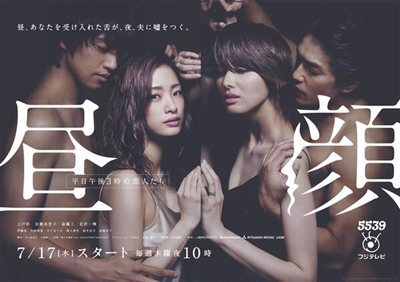 |
| Hirugao/Photo:Tumblr |
Watch the drama and tell me how many expressions did you manage to find! Waiting for your comments, faito!
Comments
Post a Comment